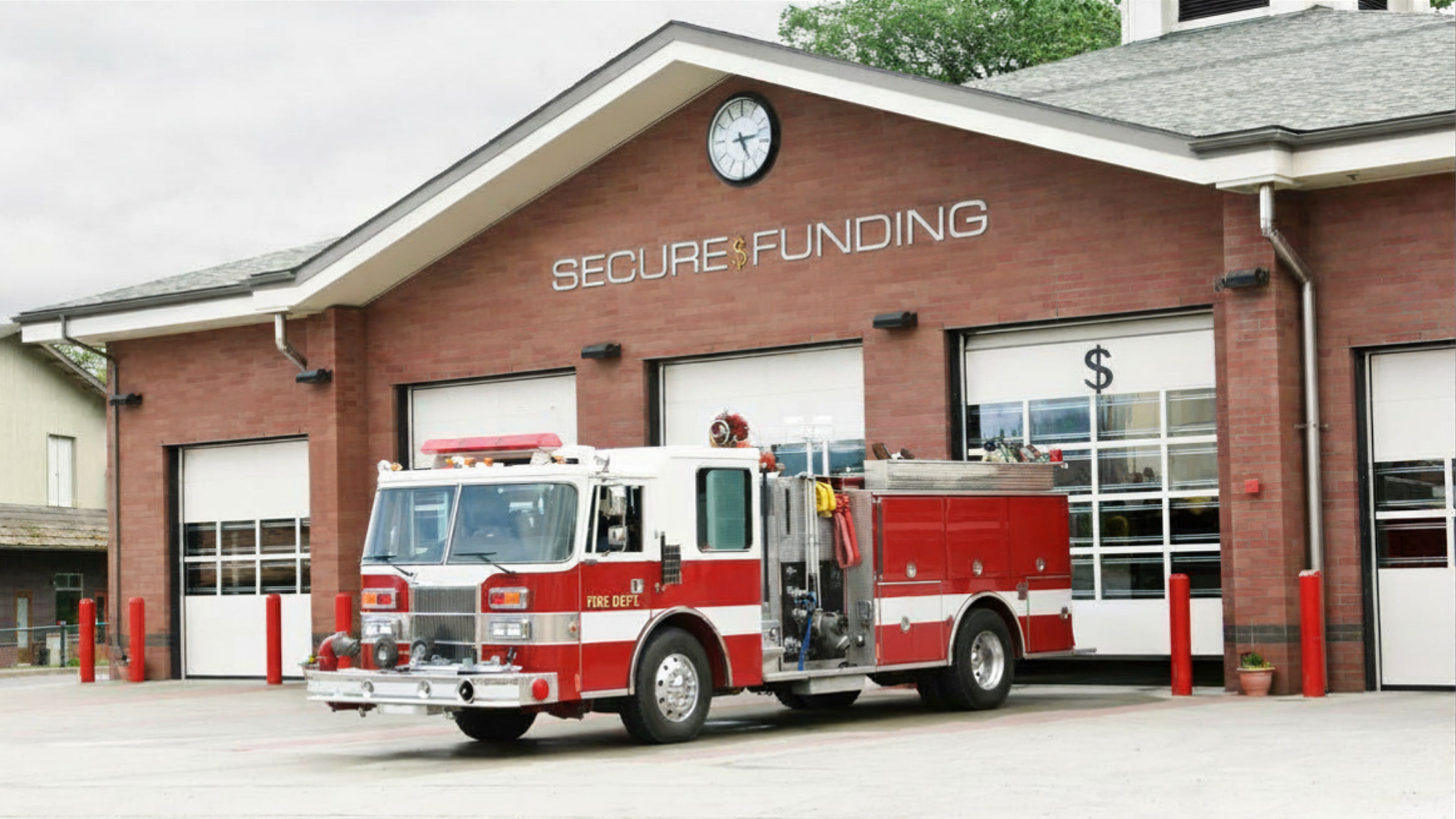

After years of service, you're now contemplating what to do with your existing fire apparatus. It has "great bones" in terms of the chassis frame and powertrain (engine, transmission, and axles); however, time and use have started taking somewhat of a toll. Thankfully, there are practical and cost-effective service life extension programs available that can deliver several more years of duty for your fire department, community, and even help your municipal budget.
Assessing the Condition of Your Rig
While your fire apparatus' age (from date of original manufacture) is one metric, perhaps even more meaningful are the number of primary engine and water pump hours as well as mileage on the vehicle. Equally important is the maintenance and service record with the rig over the years it's been in your fleet.
Following the apparatus OEMs minimum suggested preventative maintenance as well as other sound measures with proper service really help set the pace for extended life. Just like a car, truck, SUV, tractor, and other machinery, sound maintenance and repairs make all the difference in the condition of your fire apparatus as it is inevitably pursued by father time.
Key Components Worth Refurbishing
Assuming your rig is in good condition in spite of its age, what can be done to add even more useful years of service to it? Some key components may possibly need to be remanufactured or rebuilt. For example:
- The primary fire pump and any associated gearbox
- Various valves in the plumbing of the fire fighting system
- Gauges on the pump panel — readily replaced or updated with new ones
- Older monitors and nozzles — now may be the time to replace these key elements
Chassis & Exterior Updates
Other fundamental chassis systems can be serviced and replaced including tires and wheels, brakes, shocks, batteries, and electrical connections. This may also include updating all lighting to the latest in LED technology to reduce the total amp draw as well as give the rig a more modern appearance. In terms of exterior trim, even just adding new wheel covers could also be an idea to consider.
Cab Interior Improvements
If the cab interior seating has been heavily used, these can be updated accordingly from various preferred seating OEM product lines. Upholstery finishes with other cab interior paneling (on the engine "dog house" and walls) can be replaced too.
Other updates could include:
- Adding a cab air purification system
- Adding cab interior storage (such as for EMS equipment) as your mission has evolved to serve your citizens
- Modifying an extended front bumper to house different tools and/or hose
Apparatus Body Refurbishment
On the fire apparatus body, with new equipment or tools in your inventory, modifying your interior compartment storage systems with brackets, shelves and trays — as well as appropriate protective matting or interior compartment finishes — could be an area of refurbishment to explore.
If in disrepair, compartment door handles, latches, and systems can be replaced. The compartment lighting could also be an area for upgrading to LED lighting. Replacing any existing vinyl hose bed covers can readily be done. Sometimes replacing or adding steps for improved access can be another possibility.
Of course, be it the apparatus body and/or cab, a new paint finish and graphics is also very feasible to restore the exterior aesthetics of your rig.
In the end, there are a wide variety of options — and what is ultimately done can depend on several key factors.
Making the Decision
What is ultimately done can be a function of:
- The total budget available
- The current operating condition of the given fire apparatus
- Any new functionality required to make the vehicle perform today as needed
Who Can Do the Work?
Who in the fire apparatus industry can do this refurbishment work for you? There are various options including:
- Brindlee Mountain Fire Apparatus (www.firetruckmall.com) in Alabama
- Fire Trucks Unlimited (firetrucksunlimited.com) in Nevada
As with anything, you will want to check their track record with doing this type of work, their facilities and equipment, and of course, their staff or personnel credentials (in terms of training, certifications, etc.).
Before you give in or give up on the fire apparatus that has already served you well, take a fresh look at what can be done to add more use life and service — with lower cost — to keep you going for several more years to come.
.jpg)